Who Benefits from Community Benefit Agreements?
Urban Investigations

What Is Zoning?
Envisioning Development

The Good, Bad, & Unknown
Urban Investigations
The Water Underground
Urban Investigations

Show Up
Public Access Design

¡El poder de prepararse!
Public Access Design




A note for educators
It’s an overwhelming time to be an educator right now. Supporting our students during nationwide protests against police brutality and amidst a global pandemic is made all the more difficult when we can’t be in the room with our students. As educators, how can we support students struggling to process their pain and anger at racial oppression and social injustice? How can we help them channel their feelings of grief, frustration, and cynicism into empowered civic action?
We must acknowledge and make space for our students’ emotional lives. And for students that want to take action, we must support their development as effective change makers. This week we’re highlighting resources recommended by our Youth Education team that might be helpful for educators navigating how to process the recent events with their students.
For educators looking to facilitate conversations about George Floyd’s death and the events that surround it, a good starting place could be this discussion guide, created by Facing History and Ourselves.
The Movement for Black Lives has a great toolkit called the Week of Action in Defense of Black Lives, with downloadable resources and suggestions for civic actions organized by level of risk. Many of these activities can be adapted for your class community.
If your students are directly protesting on the streets, make sure to prepare them as best as possible. Students should know how to protect themselves and know what their rights are when protesting.
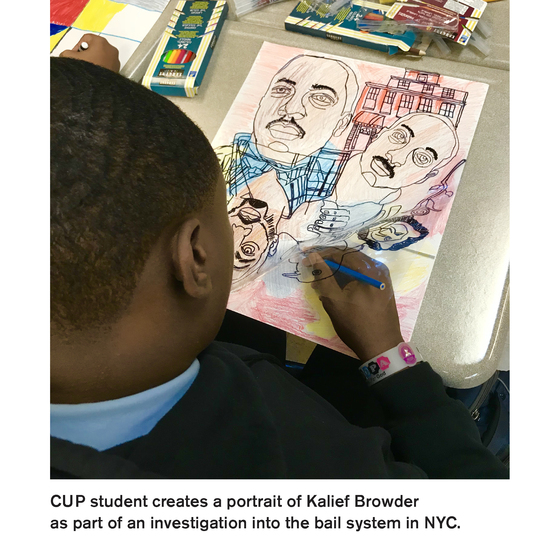
Finally, many of the recent protests have highlighted the importance of supporting local bail funds. For anyone interested in understanding how New York’s bail system works, Who Makes Bail? is a CUP Youth Education project is a great entry point. You can also find other CUP student projects about how policing and the legal system impact youth here.